Real Estate Septic Inspections in Ohio: What Buyers and Sellers Need to Know in 2026
If you're buying or selling a home in Ohio with a septic system, a thorough inspection is one of the most important steps in the entire transaction. Unlike a home connected to a municipal sewer line, a property served by a septic system carries its own set of maintenance history, wear patterns, and potential red flags that a general home inspection may not fully address. Whether you're a first-time buyer in Shelby, OH, or a long-time homeowner preparing to list, understanding how these inspections work can save you from costly surprises at the closing table.
Rural areas in and around Richland County often rely on private septic systems rather than municipal sewer lines, meaning real estate transactions frequently hinge on the condition of these systems. A septic system that hasn't been properly maintained can lead to expensive repairs, delayed closings, or renegotiated purchase prices, so both buyers and sellers benefit from knowing exactly what to expect before an inspection is scheduled. Understanding the local rules, common findings, and typical timelines can help everyone involved plan ahead and avoid last-minute complications.
Are Septic Inspections Required to Sell a Home in Ohio?
Ohio operates under a county-by-county framework, and requirements vary significantly across its 88 counties. Richland County does not currently require a mandatory point-of-sale inspection, but the absence of a county mandate does not mean buyers and sellers can skip the process.
Many lending institutions require a home to pass a septic inspection before the sale or transfer of title can be completed. Even when not required, professionals consistently recommend point-of-sale inspections whenever a home relies on a septic system. FHA and VA loans, in particular, often require proof that a system is functional before a loan will be approved.
What Does an Inspector Check During a Septic Inspection?
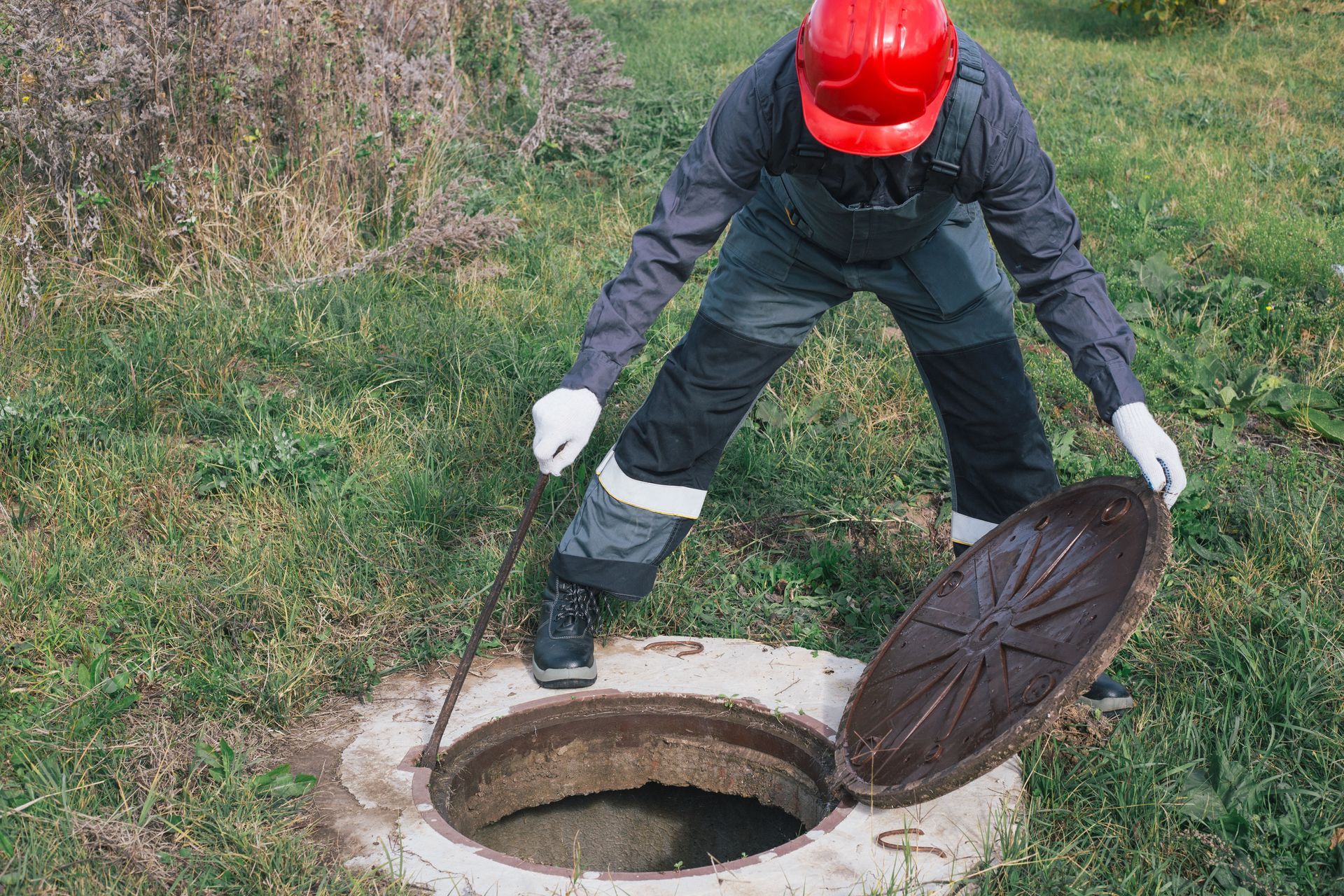
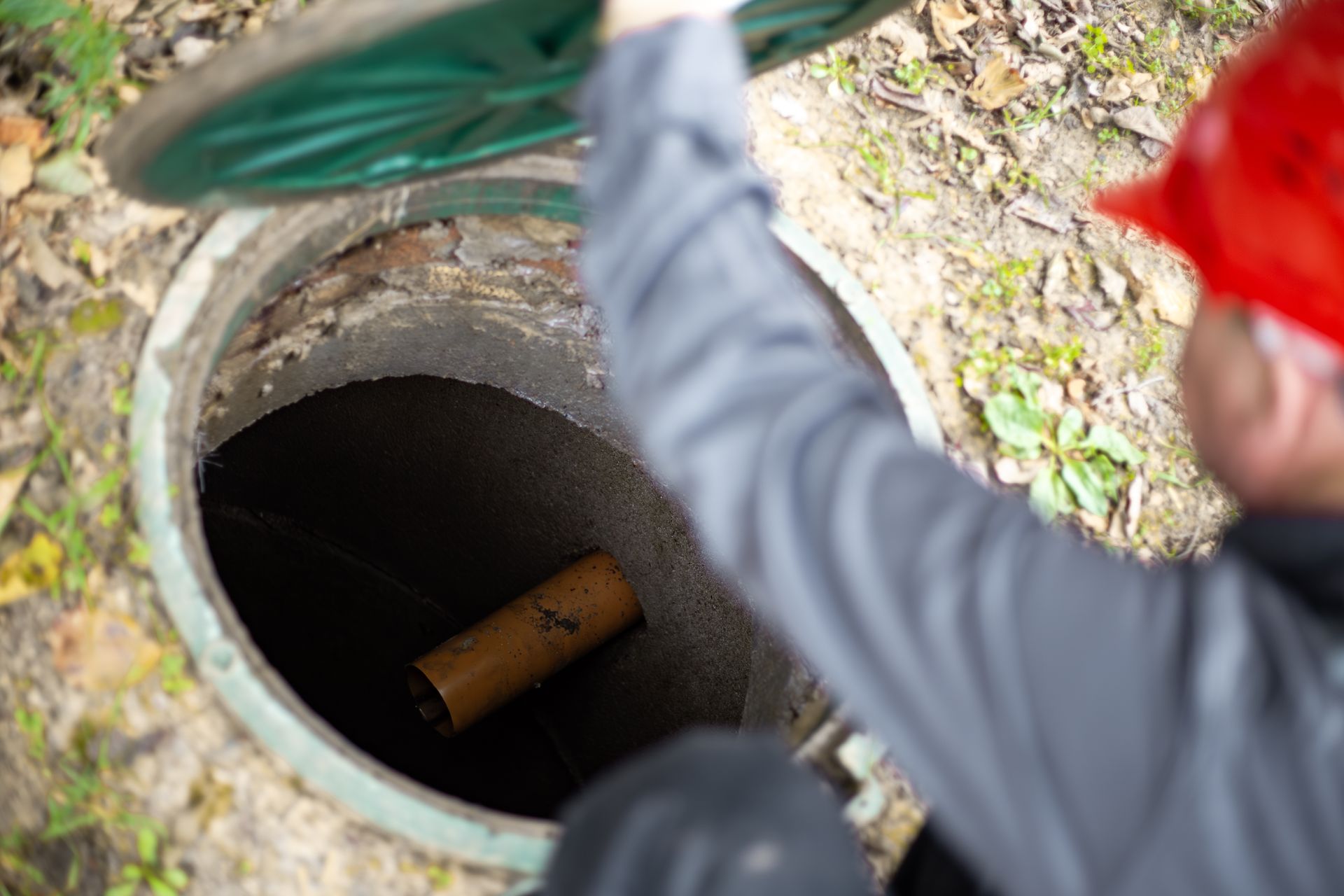
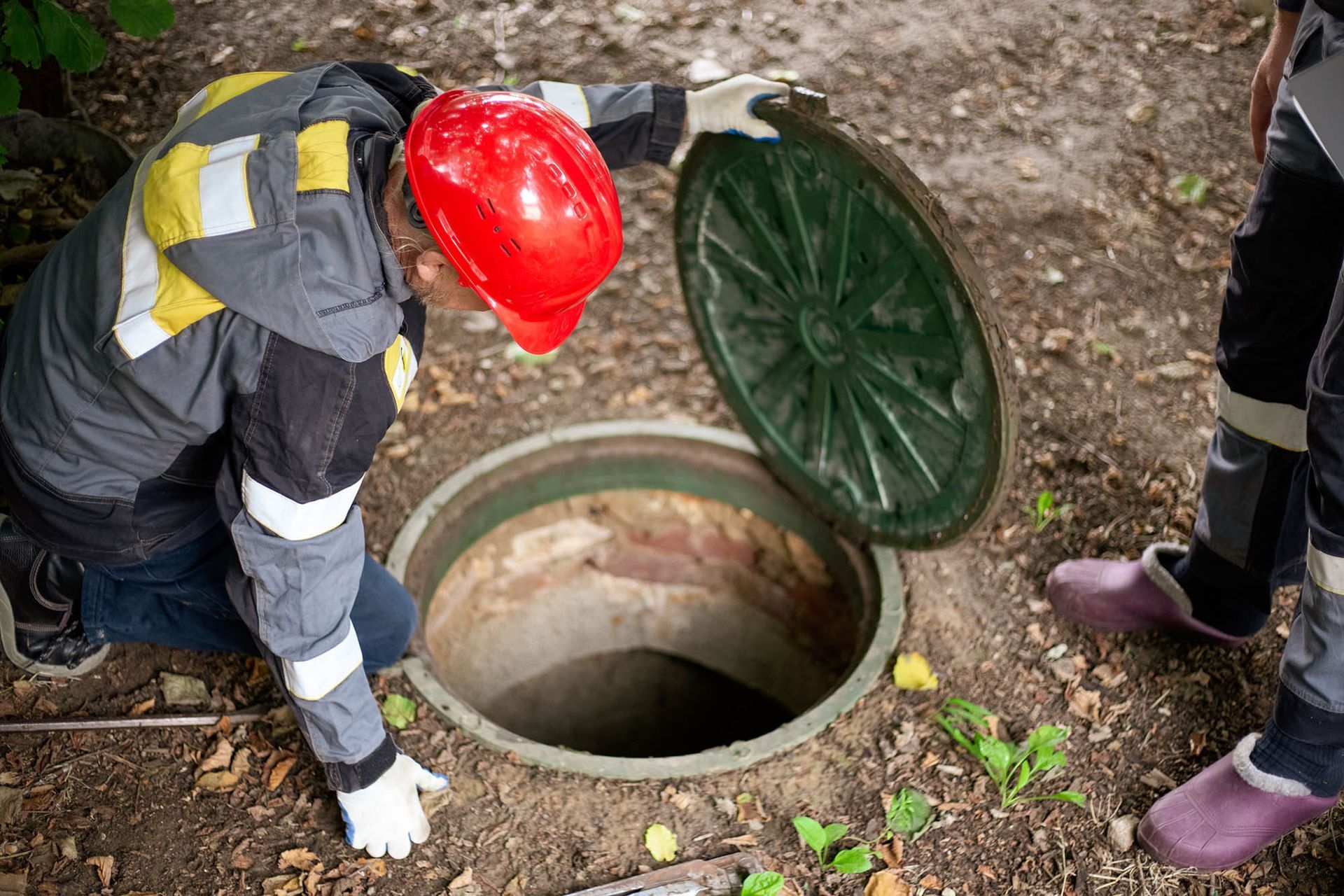
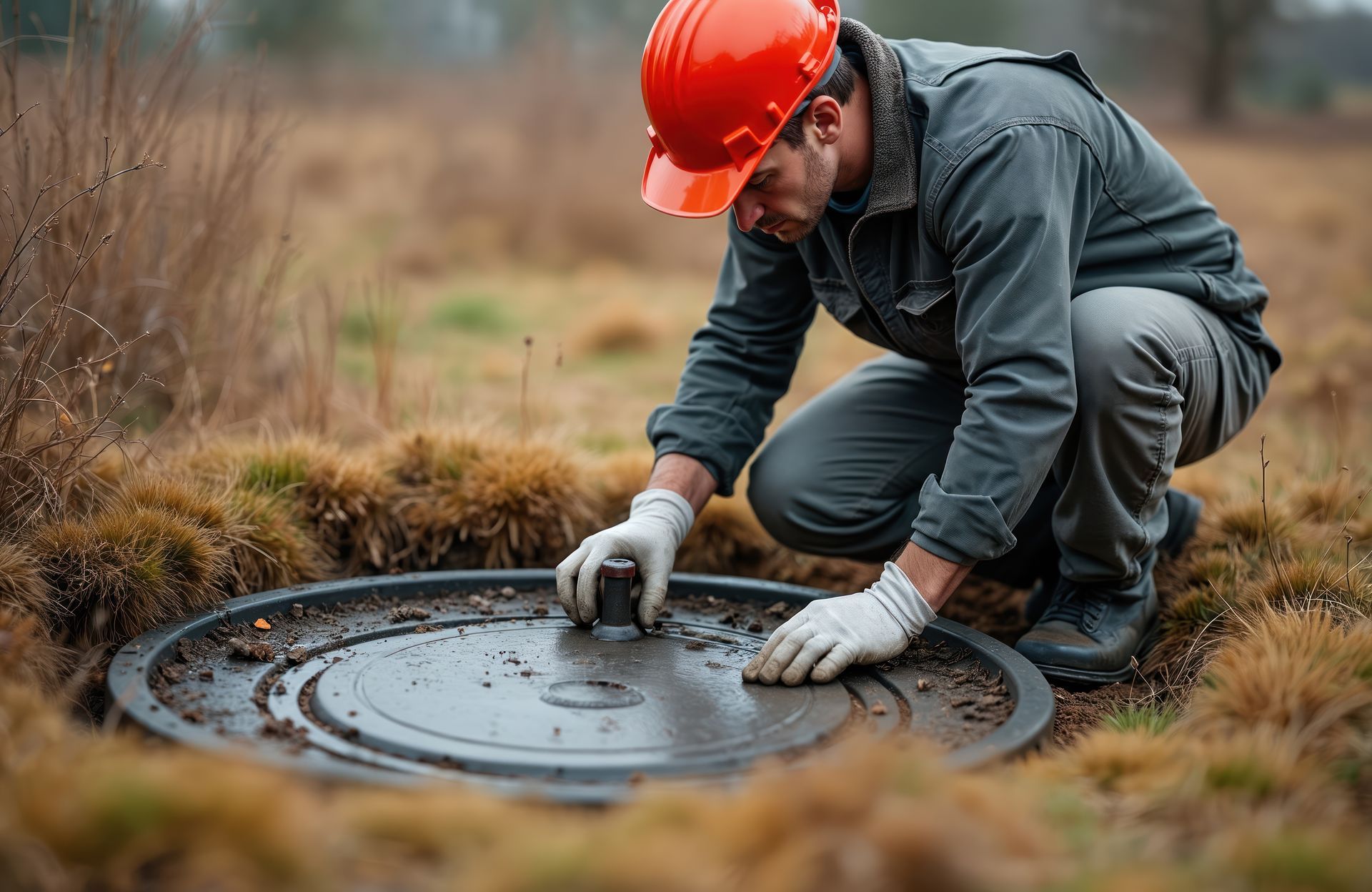
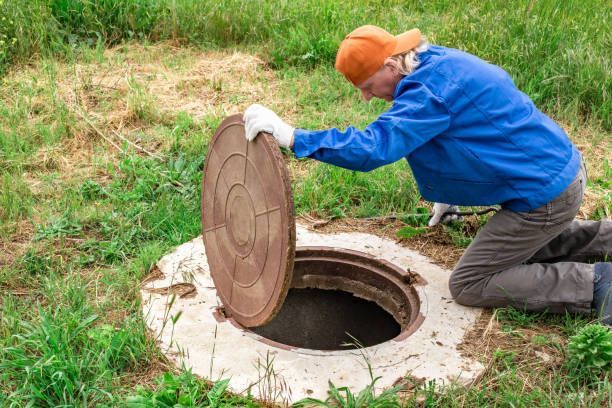
A point-of-sale inspection is a thorough examination of a septic system, including its history, layout, and on-site testing to confirm proper function. A qualified inspector typically evaluates:
- The tank's structural integrity, checking for cracks, leaks, or corrosion.
- Sludge and scum levels to determine whether pumping is needed.
- The condition of inlet and outlet baffles, which direct flow and protect the drain field.
- The drain field itself, looking for pooling water or signs of failure.
- Plumbing connections from the home to the tank.
Inspectors also assess absorption in the drain field and test connected plumbing components, providing a comprehensive picture of the system's overall health.
Buyer and Seller Responsibilities
Both sides of a real estate deal carry distinct responsibilities when a septic system is involved.
For Sellers
Sellers benefit most from scheduling an evaluation before listing. Having documentation of a clean, functioning system builds buyer confidence and supports the asking price. When issues are discovered during an inspection required by a health department or lender, resolving them early keeps the closing timeline on track.
For Buyers
Buyers should treat a septic inspection as a non-negotiable part of due diligence. When a homebuyer opts for an elective point-of-sale inspection, they have more freedom in deciding how to proceed if issues arise. That flexibility disappears once the sale is final. For older systems or homes with significant renovations, an inspection may reveal that the system needs to be fully updated to meet code, protecting buyers from inheriting major repair costs.
What Happens if a Septic System Fails the Inspection?
A failed inspection does not automatically end a sale. Most counties allow repair periods of 60 to 90 days or escrow arrangements where buyers and sellers negotiate repair costs.
The outcome often depends on financing type. FHA and VA buyers may need to pause or cancel unless the seller agrees to repair or replace the system. Conventional buyers can accept a repair credit, while cash buyers may proceed as-is. Both parties should know the system's condition as early as possible to allow time for a workable solution.
What Ohio Septic Regulations Govern These Inspections?
Septic system regulations in Ohio are established by the Ohio Department of Health under Ohio Administrative Code (OAC) 3701-29, but enforced locally by county health districts. Property owners with systems installed after the July 2021 deadline must follow mandatory inspection schedules and maintain service records for at least five years. Sellers should gather those records before listing.
How Often Should a Septic System Be Inspected?
Scheduling a septic inspection every three to five years is typically recommended, depending on household size and usage. Regular inspections help identify issues early, saving homeowners from expensive repairs or system failure.
Ready to Schedule a Septic Inspection Serving Shelby, OH?
When it comes to real estate transactions in Richland County, having a dependable septic professional on your side makes all the difference. Steve Brown's B & B Drain & Septic Service provides septic inspections serving Shelby, OH, giving buyers and sellers the documented findings they need to move forward with confidence.
The team checks every component of the system, explains what they find, and helps you understand your next steps. Whether you are preparing to list or protecting your investment as a buyer, scheduling early is the smartest move.
Call
(419) 524-1992 today or
contact the team online to request an inspection. You can also find and review
Steve Brown's B & B Drain & Septic Service on Google.