What to Expect During a Professional Septic Inspection
When considering a septic inspection in Shelby, OH, it’s important to understand the process so you can make informed decisions about your home’s wastewater system. Whether you’re buying a new property or maintaining an existing septic system, Steve Brown’s B & B Drain & Septic Service offers professional inspections that uncover potential issues before they become costly problems. This article outlines the complete septic tank inspection process, helping you anticipate what happens during an evaluation, from locating the tank to testing flow and drain fields. Understanding this process will give you peace of mind and protect your investment.
What Is a Septic Inspection and Why Does It Matter?
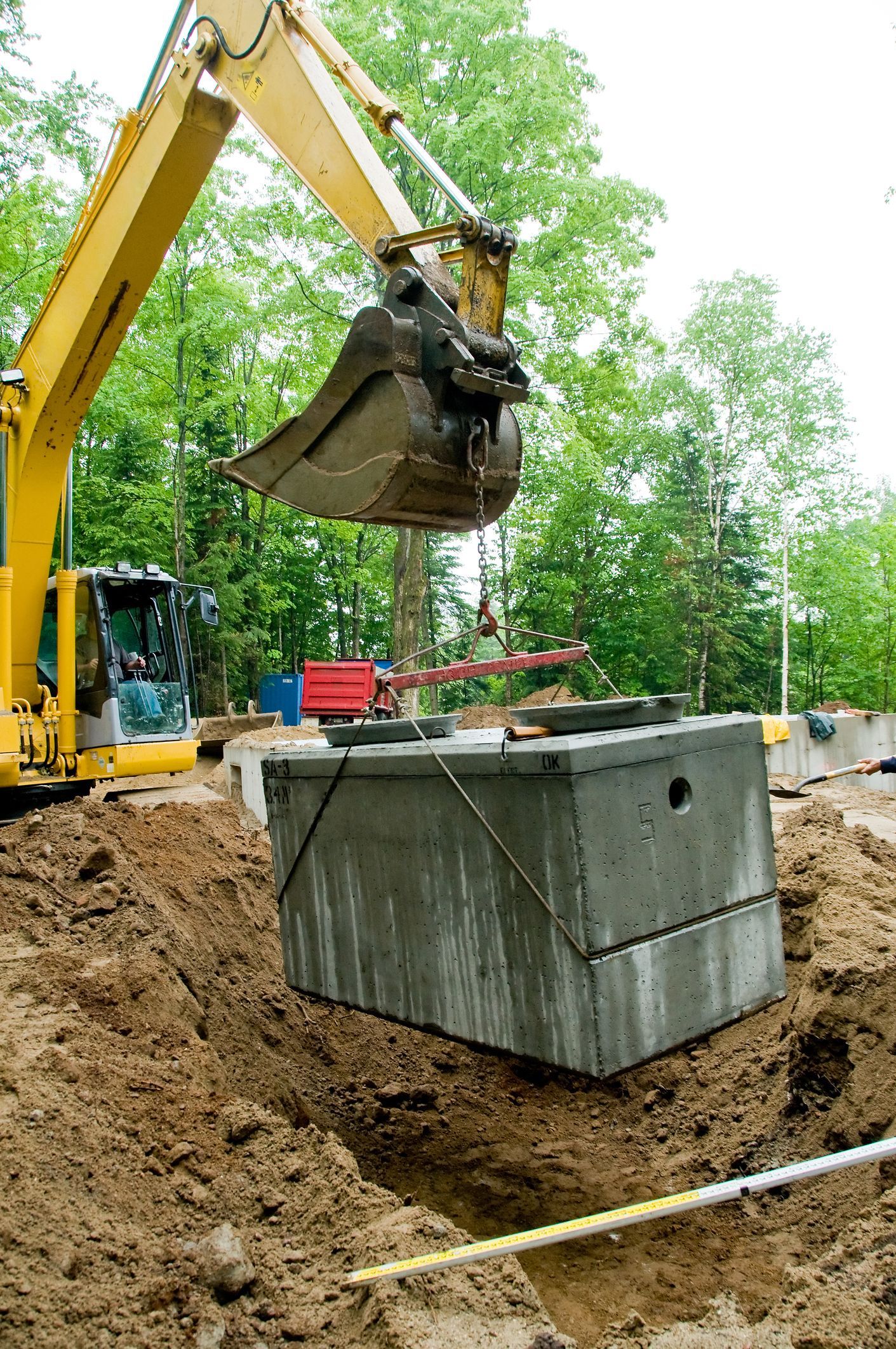
A septic inspection is a detailed examination of your home’s septic system, including the septic tank and drainage field. The purpose is to assess the condition, functionality, and safety of the system. In Shelby, OH, homes rely heavily on properly maintained septic systems, so regular inspections help avoid costly repairs and safeguard your property’s environmental health.
The inspection begins when an experienced technician from a trusted company like Steve Brown’s B & B Drain & Septic Service conducts a septic tank inspection using specialized tools and knowledge. This technical evaluation ensures every critical component of your septic system is working efficiently and meets local health and safety standards.
What Happens During a Thorough Septic System Evaluation
Step 1: Locating the Septic Tank
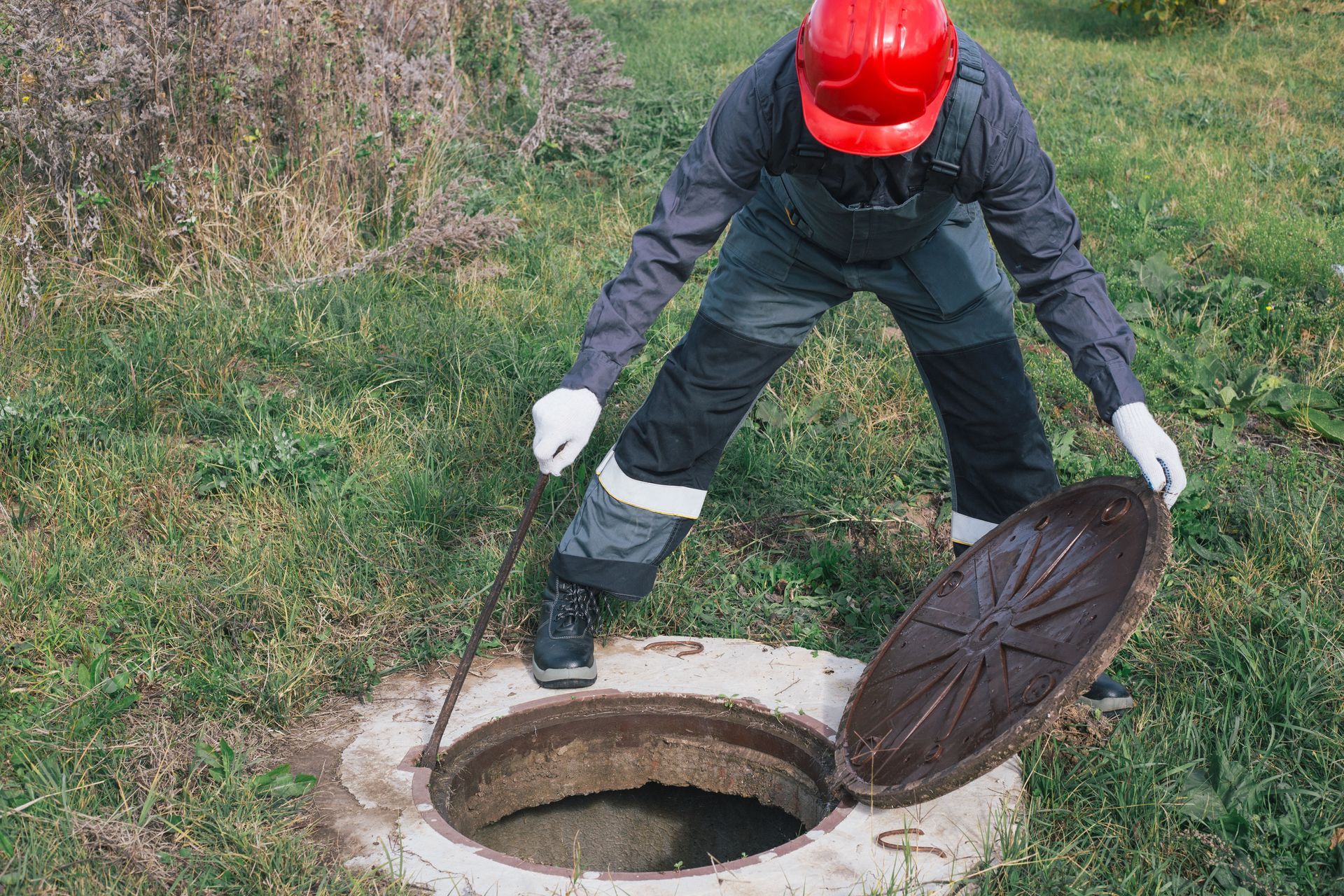
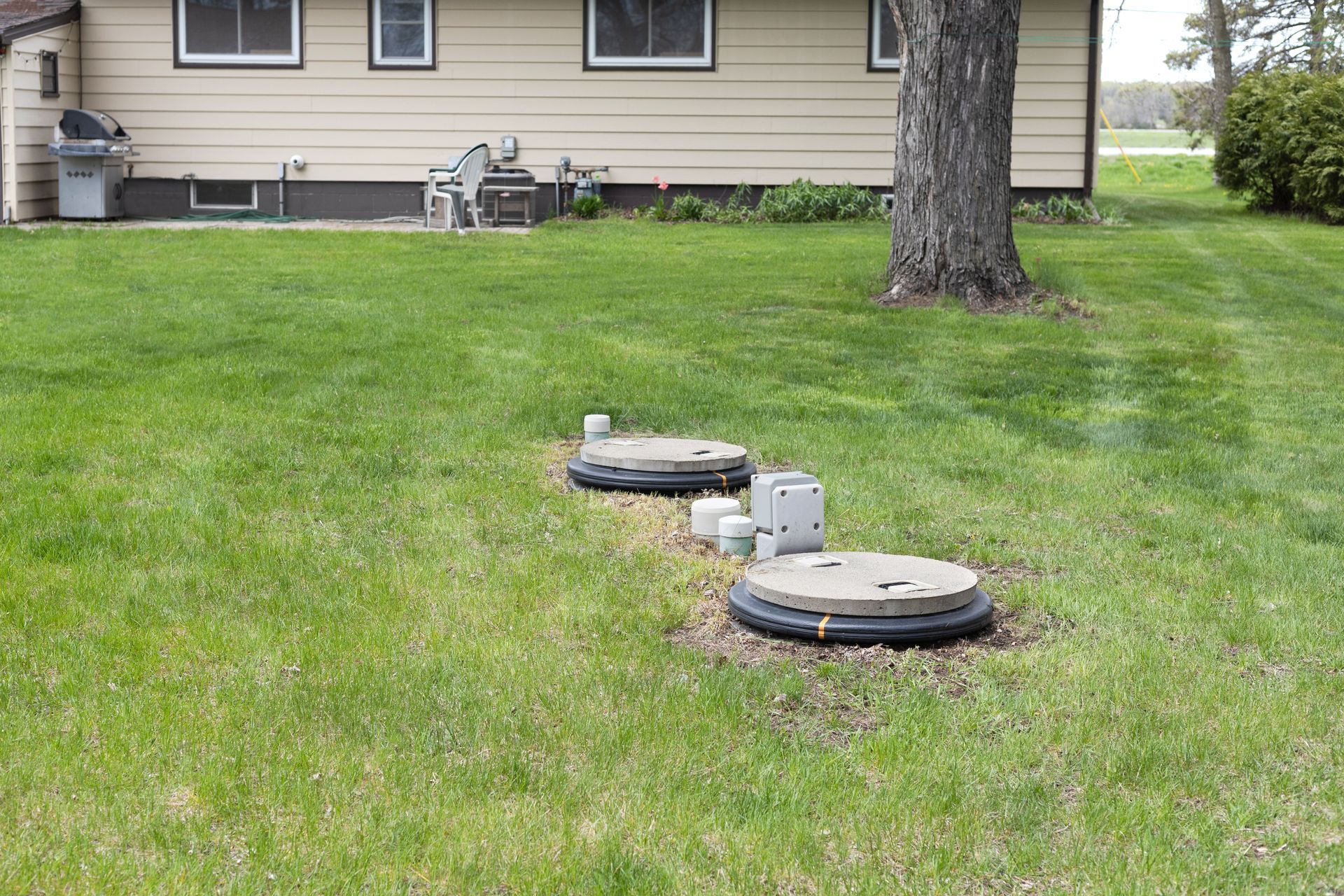
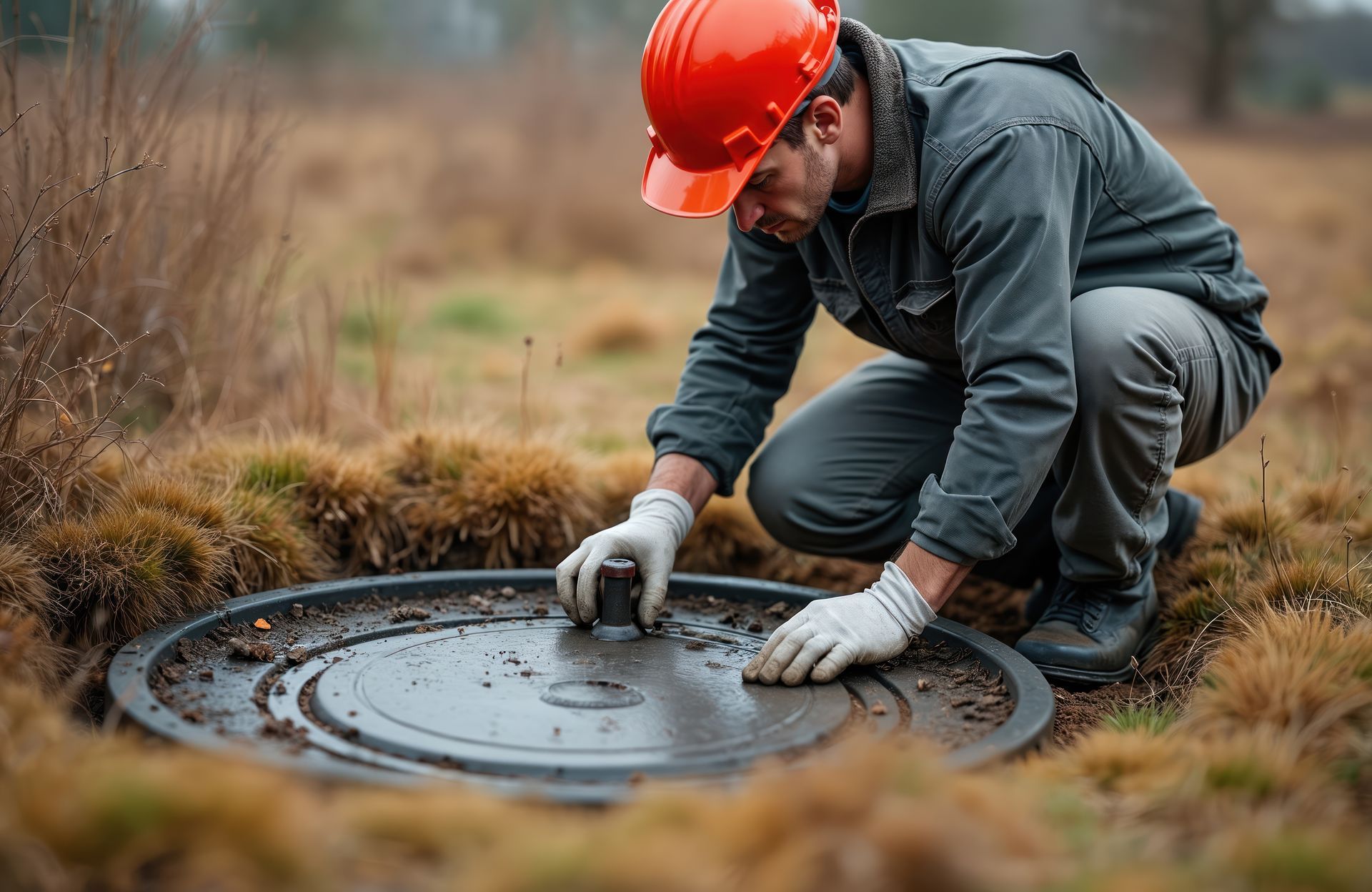
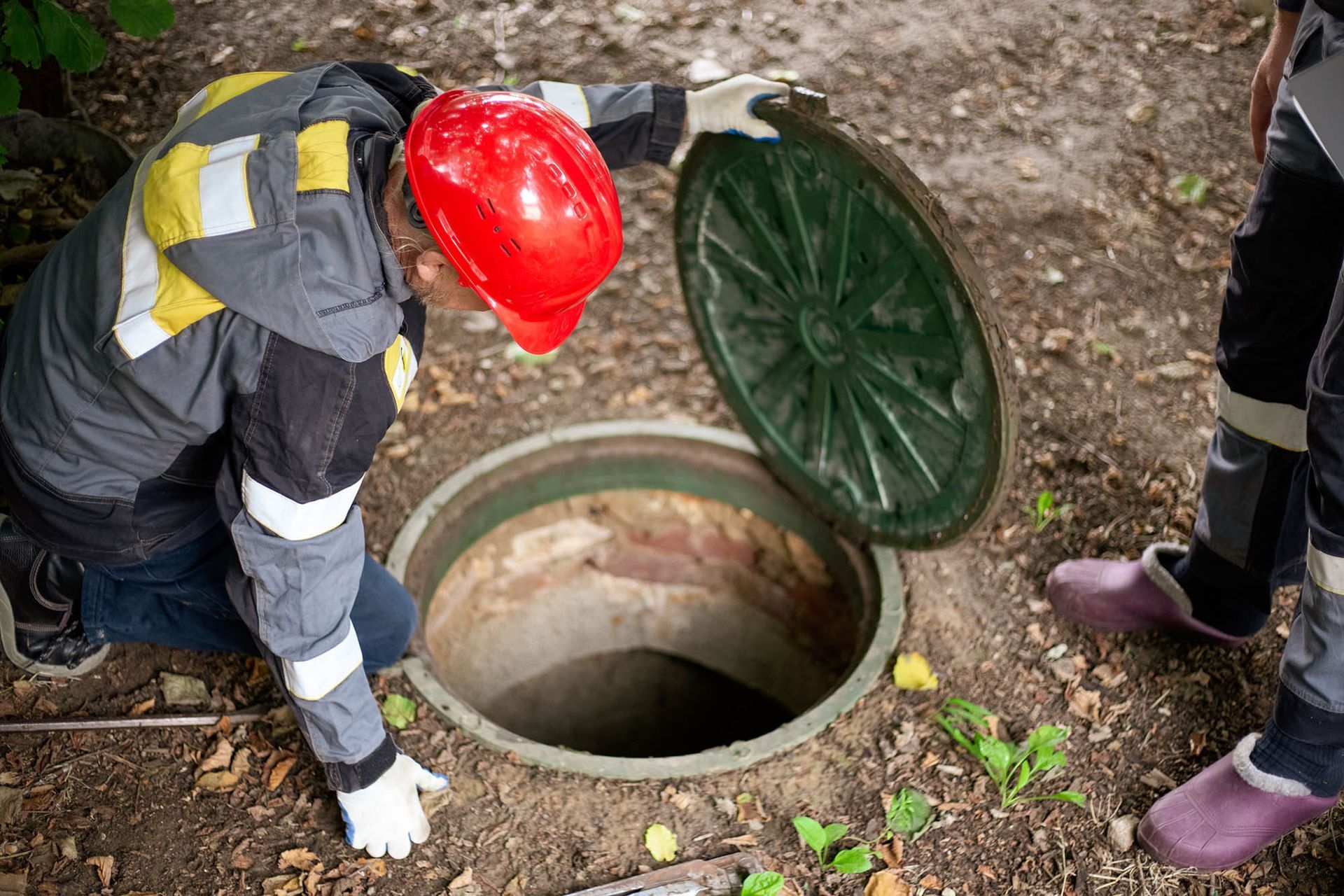
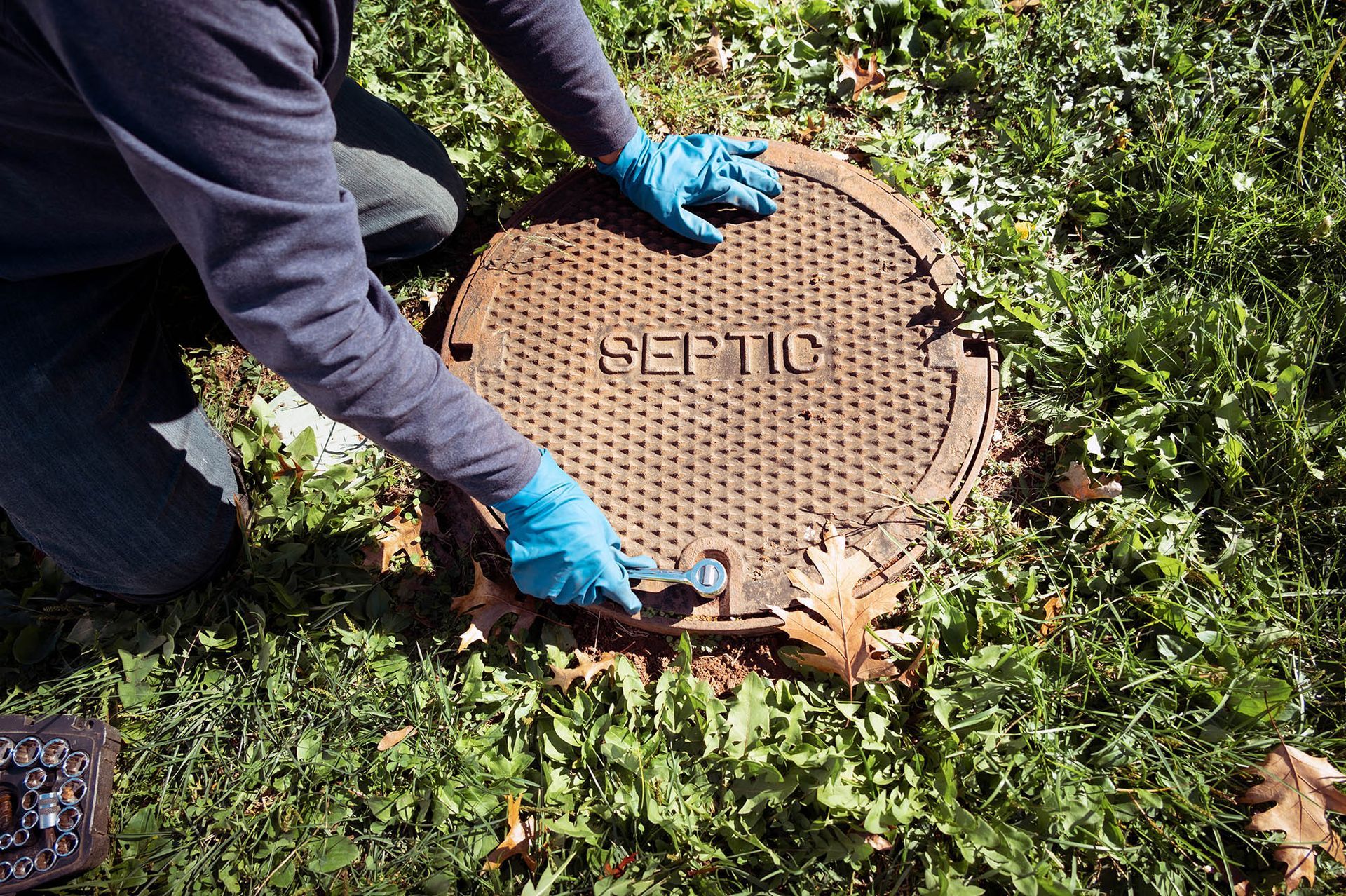
The first part of the inspection is locating your septic tank. While some homeowners know its location, others may not, especially if the property is older. The inspector will use system maps (if available) and may employ electronic locating devices or probing rods to find the exact spot. This step is essential before any physical examination can begin because understanding tank placement helps evaluate accessibility and system layout.
Step 2: Checking Sludge and Scum Levels
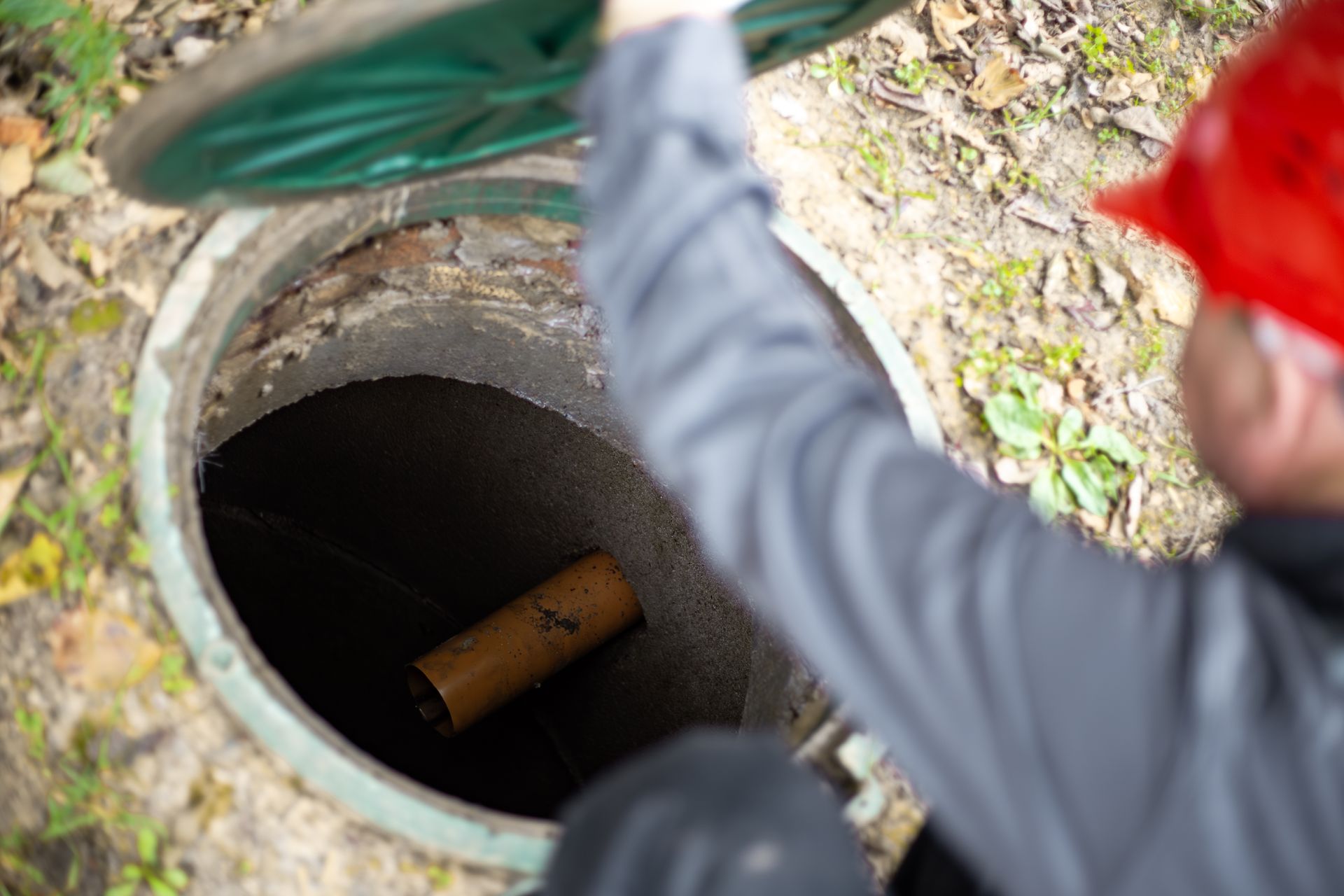
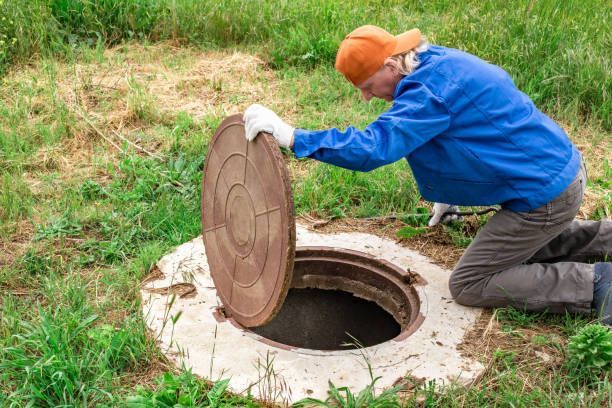
Once the tank is uncovered, the inspector measures the sludge (solid waste) and scum (floating waste) levels inside the tank. Excess sludge can clog your system and lead to backups or groundwater contamination. The technician uses a sludge judge or similar tools to determine if pumping is necessary. This part of the inspection is crucial because it helps predict maintenance needs and prevents expensive, disruptive failures.
Step 3: Testing the Flow and Tank Integrity
Following sludge assessment, the professional tests the flow of wastewater to confirm there is proper drainage from the house to the septic tank and from the tank to the drain field. This includes examining inlet and outlet baffles, risers, and tank walls for any cracks, leaks, or structural damage. Checking the tank’s physical integrity helps ensure the system is sealed correctly and functioning safely, preventing leaks that might harm your home’s foundation and surrounding soil.
Step 4: Evaluating the Drain Field
After the septic tank itself is inspected, the drain or leach field receives close scrutiny. This is where treated wastewater returns to the soil. The inspector looks for signs of saturation, erosion, or damage that might inhibit absorption or promote surface pooling. Drain field problems can be expensive to repair and often necessitate system replacement, so early detection during a septic inspection is a homeowner’s best defense.
Communication, Safety, and Cleanup
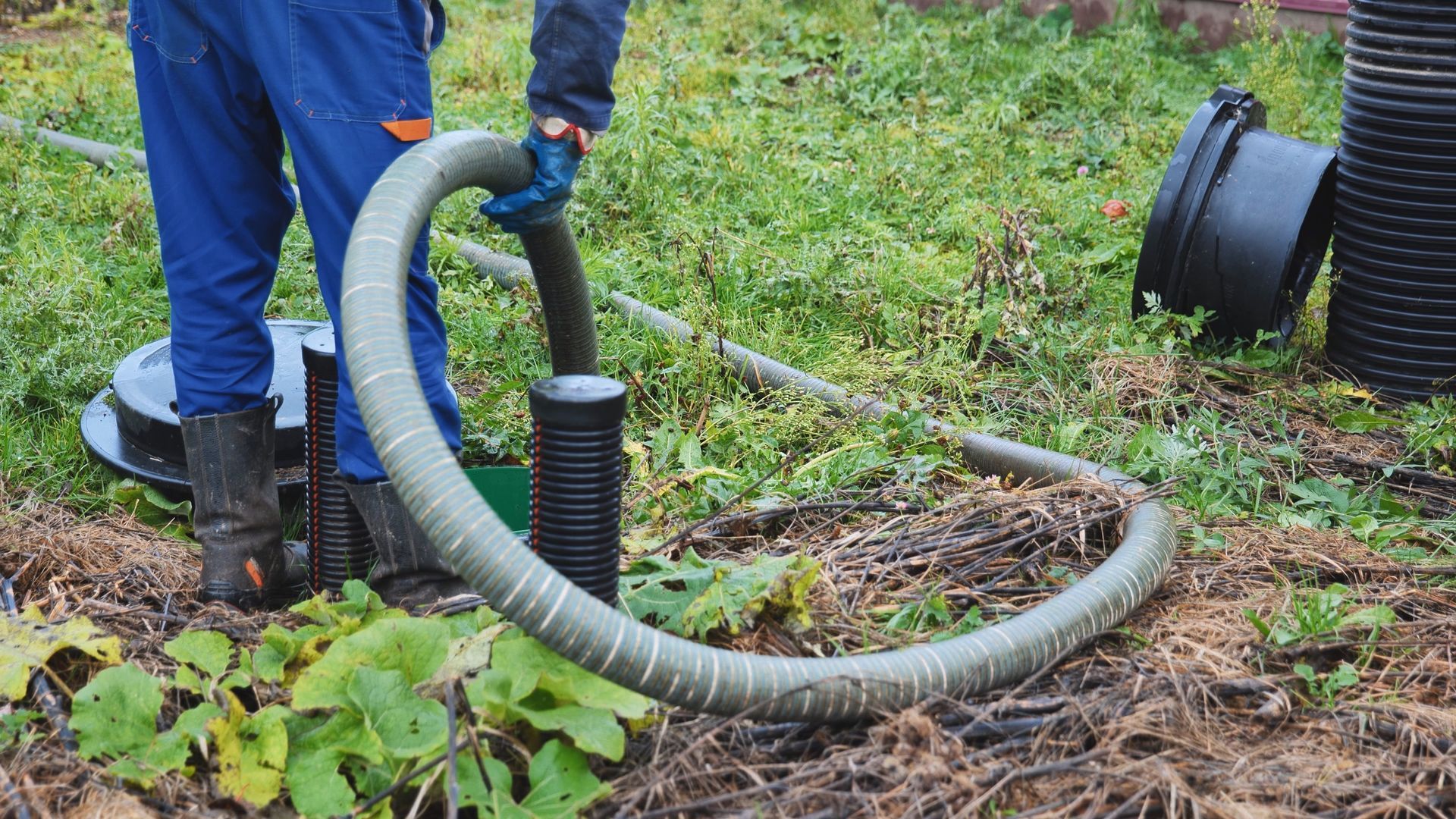
Throughout the inspection, Steve Brown’s B & B Drain & Septic Service emphasizes transparency by clearly communicating findings and next steps with homeowners. Inspectors follow strict safety protocols to prevent exposure to wastewater and maintain sanitary conditions. After completing all the work, they ensure the site is cleaned up thoroughly and restored to its original condition, respecting your property as if it were their own.
Why a Thorough Septic Inspection Benefits Homeowners
A complete septic inspection provides several valuable benefits:
- Early Detection of Problems: Identifying issues early helps avoid costly repairs and potential health hazards.
- Extends System Life: Regular maintenance recommendations keep the septic system functioning efficiently for years to come.
- Protects Property Value: A well-maintained septic system is a selling point when putting your home on the market.
- Prevents Environmental Damage: Proper wastewater treatment safeguards local soil and water resources.
- Peace of Mind: Knowing your septic system is performing well reduces stress and emergency situations.
By working with professional inspectors who follow a detailed, transparent process, you gain confidence that your investment in your home’s septic system is sound.
Ensure Peace of Mind With Expert Septic Services
If you need a reliable, professional septic inspection, Steve Brown’s B & B Drain & Septic Service is ready to provide a thorough assessment with clear communication and expert care. Understanding the step-by-step septic inspection process, from locating the tank and checking sludge levels to testing flow and evaluating the drain field, helps you prepare for your appointment and appreciate the value of this critical home maintenance task. Protect your home and ensure your septic system works efficiently by
calling and scheduling a septic tank inspection today.